
Tile That Completes the Countertop Decision
Backsplashes in Greenville for kitchens coordinating tile, grout, and stone surfaces
Backsplash installation by Coastal Cabinets And Granite LLC in Greenville ties together countertop material, cabinet color, and wall preparation into a finished kitchen surface. Tile backsplashes protect drywall from water, grease, and cooking splatter while adding pattern, texture, or color contrast to the space behind sinks, ranges, and food preparation areas. Homeowners replacing countertops often plan backsplashes simultaneously because both surfaces interact visually and functionally, and coordinating material selections prevents mismatched tones or styles that become apparent only after installation.
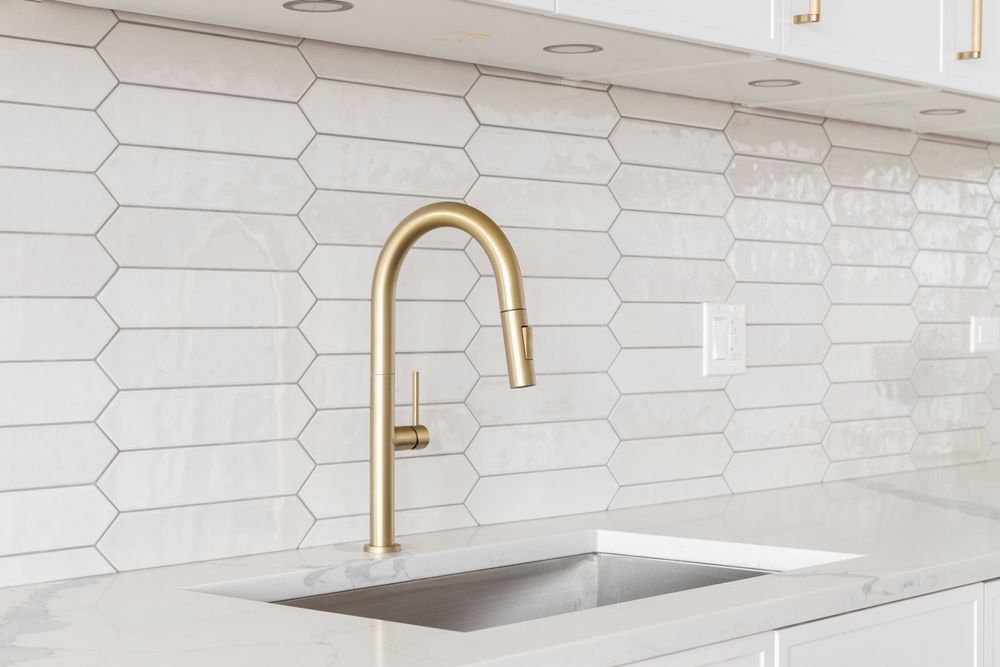
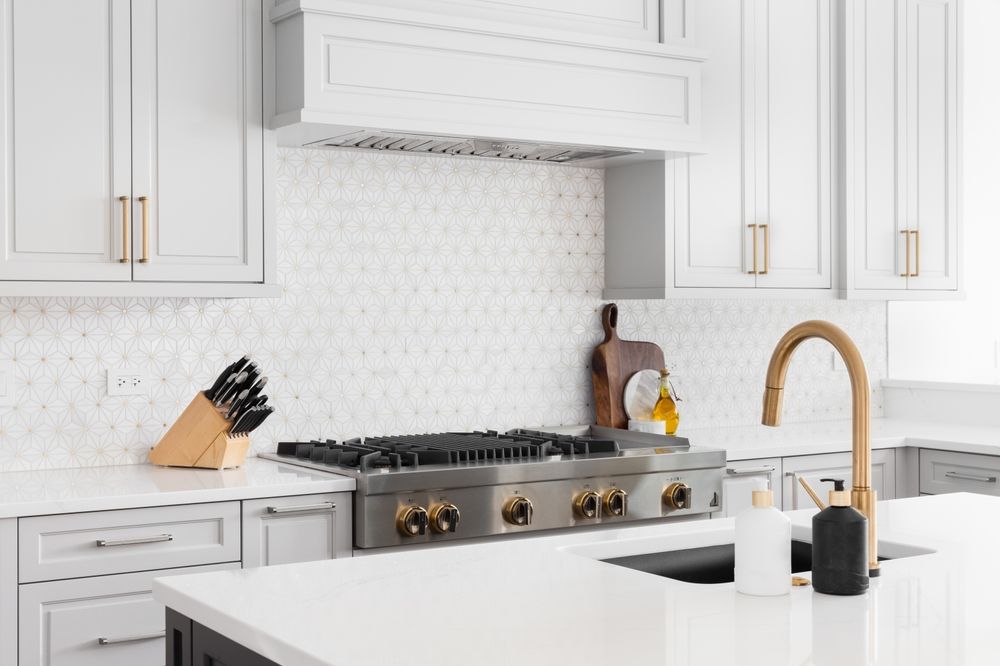
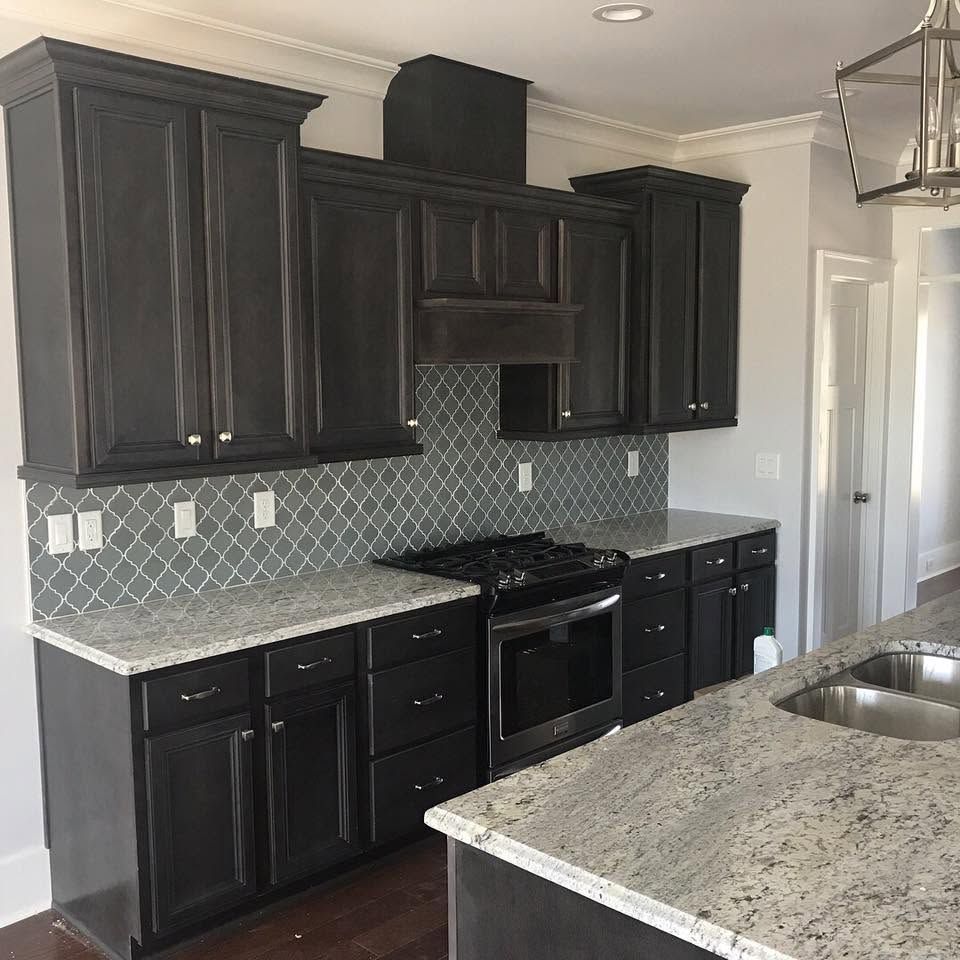
The backsplash process involves selecting tile size, shape, and finish, choosing grout color based on how much contrast or blending is desired, preparing the wall surface for proper tile adhesion, and installing tile in a layout that aligns with electrical outlets, cabinet edges, and countertop seams. Grout color significantly affects the finished appearance, with light grout creating visible grid lines and darker grout allowing the tile pattern to read as a continuous surface.
Schedule a design consultation to review tile samples alongside your selected countertop material.
How Tile Selection Affects the Finished Kitchen
Tile backsplashes should be planned with attention to how size and layout interact with existing elements. Subway tile installed in a running bond pattern creates horizontal movement, while stacked or vertical layouts emphasize height. Smaller mosaic tiles introduce more grout lines and visual texture, which works well in kitchens with simple cabinetry and minimal hardware, while larger-format tiles reduce grout visibility and create a cleaner backdrop for countertops with bold veining or color variation.
Once installed, the backsplash provides a sealed, wipeable surface that replaces painted drywall in high-splash zones. Water from dishwashing, grease from stovetop cooking, and splatter from food preparation no longer penetrate the wall, and routine cleaning with a damp cloth or mild cleaner keeps the tile surface free of buildup. Grout lines remain visible but can be sealed to resist staining and moisture absorption, particularly in areas near sinks and ranges.
Backsplash installations typically extend from the countertop surface to the bottom edge of upper cabinets, with tile wrapping around windows, outlets, and range hoods as needed. The tile pattern should align with cabinet widths and countertop seams to avoid awkward partial tiles at visible endpoints. Coastal Cabinets And Granite LLC coordinates backsplash layout with countertop fabrication, ensuring both surfaces are measured and planned together rather than as separate afterthoughts.
What Homeowners Want to Know About Backsplash Projects
Homeowners in Greenville planning backsplash installations often ask about material pairing, layout decisions, and timing relative to countertop work.
How should backsplash tile relate to countertop material?
Backsplash tile works best when it either contrasts with or complements the countertop without competing for visual attention. If your countertop has bold veining or pattern, a simple subway or solid-color tile allows the stone to remain the focal point. If the countertop is understated, patterned or textured tile can add visual interest to the space.
What role does grout color play in the finished appearance?
Light grout emphasizes individual tiles and creates a grid effect, while grout that matches or closely aligns with the tile color minimizes grout line visibility. In kitchens with white or light-colored tile, choosing a slightly darker grout tone reduces visible staining over time without creating stark contrast.
When should backsplash installation happen relative to countertop work?
Backsplash tile is typically installed after countertops are set, allowing the tile to sit directly on the finished stone surface and ensuring proper alignment. Planning both surfaces together during the design phase prevents last-minute material mismatches or delays waiting for tile to arrive.
How is the wall prepared before tile installation?
Drywall must be smooth, clean, and free of grease or loose paint. In areas with previous tile or wallpaper, old adhesive is removed and the surface is primed to ensure the new tile bonds properly. Electrical outlets are turned off, covers are removed, and openings are measured so tile cuts align cleanly around them.
What maintenance does a tile backsplash require after installation?
Wipe the tile surface regularly with a damp cloth or pH-neutral cleaner to remove grease and food splatter. Sealed grout resists staining and moisture absorption, but periodic resealing in high-use areas near the sink or stove helps maintain long-term durability and appearance.
Coastal Cabinets And Granite LLC coordinates backsplash tile installation with countertop fabrication and cabinetry work for kitchen upgrade projects throughout Greenville. Visit the showroom to compare tile samples and discuss layout options for your space.