
Veining That Defines Your Kitchen's Character
Marble Countertops in Greenville for spaces where timeless appearance matters more than stain resistance
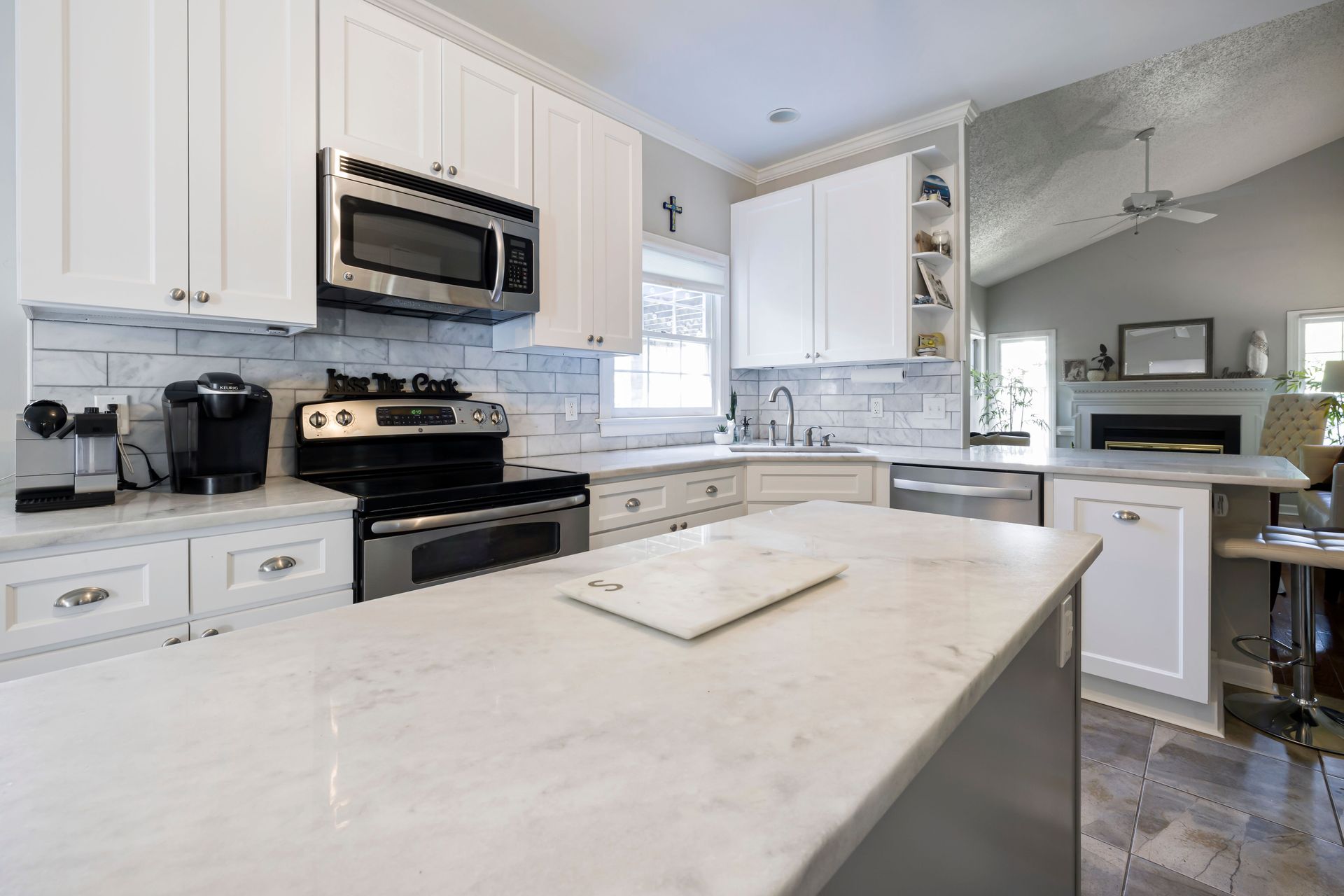
Marble delivers veining and color variation no engineered material replicates, making it a natural choice for feature surfaces, bathroom vanities, and kitchens where the stone's aesthetic outweighs its specific care requirements. Coastal Cabinets And Granite LLC helps you understand that marble etches when acidic substances like lemon juice or tomato sauce contact the surface, develops patina over time as daily use leaves subtle marks, and requires sealing to slow staining from oils and liquids. The decision to use marble centers on whether you value the stone's distinctive appearance enough to accept that it will change with use rather than remain pristine indefinitely.
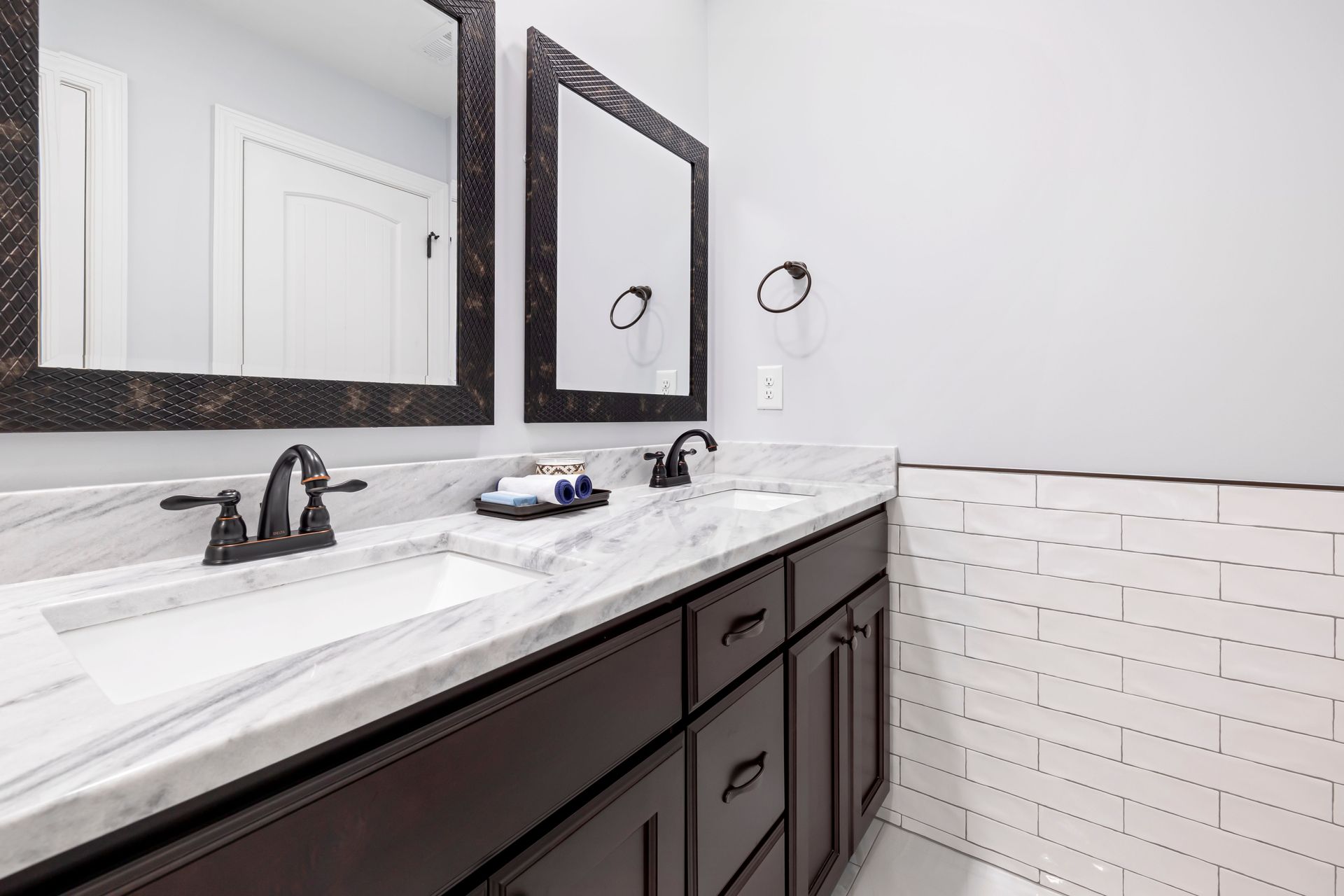
Each slab shows unique veining intensity, background color, and mineral patterns, so selecting the actual piece determines whether your countertop appears dramatic with bold gray veins or subtle with faint gold tracings. The stone works beautifully in bathrooms with lower exposure to acids and heat, as kitchen islands in homes where cooking happens less frequently, or as baking surfaces where the naturally cool temperature benefits pastry work.
Arrange a slab review to see marble options and discuss whether the material suits your design priorities and household use.
Understanding What Happens After Marble Installs
Marble countertops require immediate cleanup of spills, particularly acids, red wine, and oils, since the stone's calcium carbonate composition reacts chemically with acidic substances and absorbs pigmented liquids more readily than granite or quartzite. Sealing reduces absorption but doesn't eliminate it, and etching from acids creates dull spots that feel slightly rough compared to the surrounding polished surface.
You'll notice the stone's cool touch, which stays noticeably colder than quartz or wood surfaces, and how light reflects differently off polished marble than off the uniform sheen of engineered materials. Over months and years, the surface develops a lived-in quality—subtle variations in gloss where cutting boards rest frequently, slight dulling near the sink from repeated water exposure, and an overall softening of the original polish that many homeowners consider desirable patina rather than damage.
Fabrication for marble involves careful seam placement so veining aligns naturally, edge profiles that enhance the stone's elegance without adding unnecessary visual weight, and layout planning that positions the most dramatic veining where it creates focal points rather than appearing randomly distributed. Backsplash coordination matters significantly since marble's strong patterns can overwhelm busy tile designs, and cabinet finishes should complement rather than compete with the stone's natural tones.
Marble Selection and Maintenance Concerns
Homeowners evaluating marble for countertop projects need clear expectations about appearance changes and care routines over time.
What causes etching and can it be avoided?
Etching happens when acidic substances chemically react with marble's calcium carbonate, dulling the polish—it can be minimized by wiping spills immediately but not entirely prevented in active kitchens.
How do I choose between different marble varieties?
Consider vein intensity, background color, and how the stone's pattern will interact with your cabinet finish and backsplash—dramatic veining suits simpler kitchen designs, while subtle marble works with more ornate cabinetry.
When does marble make sense for kitchens versus bathrooms?
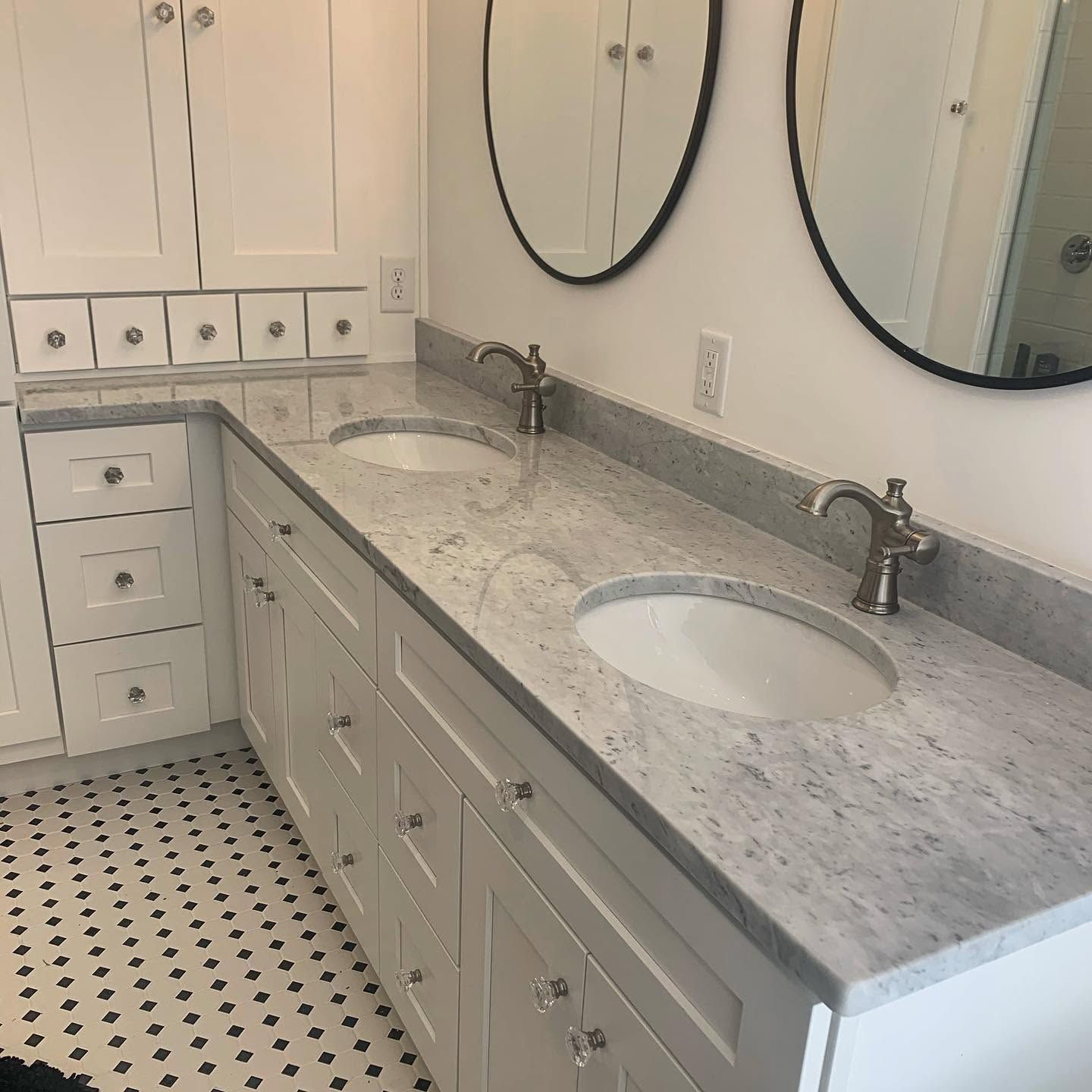
Bathrooms expose marble to fewer acidic substances and less heat, making them ideal for marble vanities, while kitchens require homeowners comfortable with the stone developing character marks from daily cooking activity.
Why do some marbles show more color variation than others?
Marble forms from limestone subjected to heat and pressure, with mineral impurities creating veining—the geological conditions during formation determine whether veining appears bold and frequent or soft and sparse.
What maintenance keeps marble looking its best?
Seal the surface every six to twelve months depending on use, clean with pH-neutral soap rather than acidic or abrasive cleaners, and address spills immediately to prevent staining—polishing compounds can restore etched areas but require professional application.
Coastal Cabinets And Granite LLC provides thoughtful slab selection, careful layout planning, and professional fabrication for marble countertops in kitchens and bathrooms. Visit to compare marble slabs and determine whether the material fits your design goals and daily use patterns.