
Natural Stone With Depth Engineered Materials Can't Replicate
Quartzite Countertops in Greenville for kitchens where selecting the actual slab determines the finished design
Slab-to-slab variation in quartzite means the piece you choose directly controls how veining flows across your countertop, where darker mineral deposits appear, and whether the surface leans gray, white, or shows unexpected gold or pink tones. You review full slabs at the Coastal Cabinets And Granite LLC facility before fabrication begins, allowing you to see exactly what the installed countertop will look like rather than relying on small samples that may not represent the stone's full character. Quartzite appeals to homeowners planning elevated kitchen or bathroom finishes where natural variation adds visual interest and the material's hardness ensures long-term durability.
The stone forms when sandstone undergoes intense heat and pressure, creating a dense, crystalline structure harder than granite and more heat-resistant than engineered quartz. Quartzite tolerates hot pans placed directly on the surface, resists scratching from knives and cookware, and develops a depth of color that changes subtly as light moves across the room throughout the day.
Schedule a slab selection appointment to compare quartzite options and discuss vein placement for your layout.
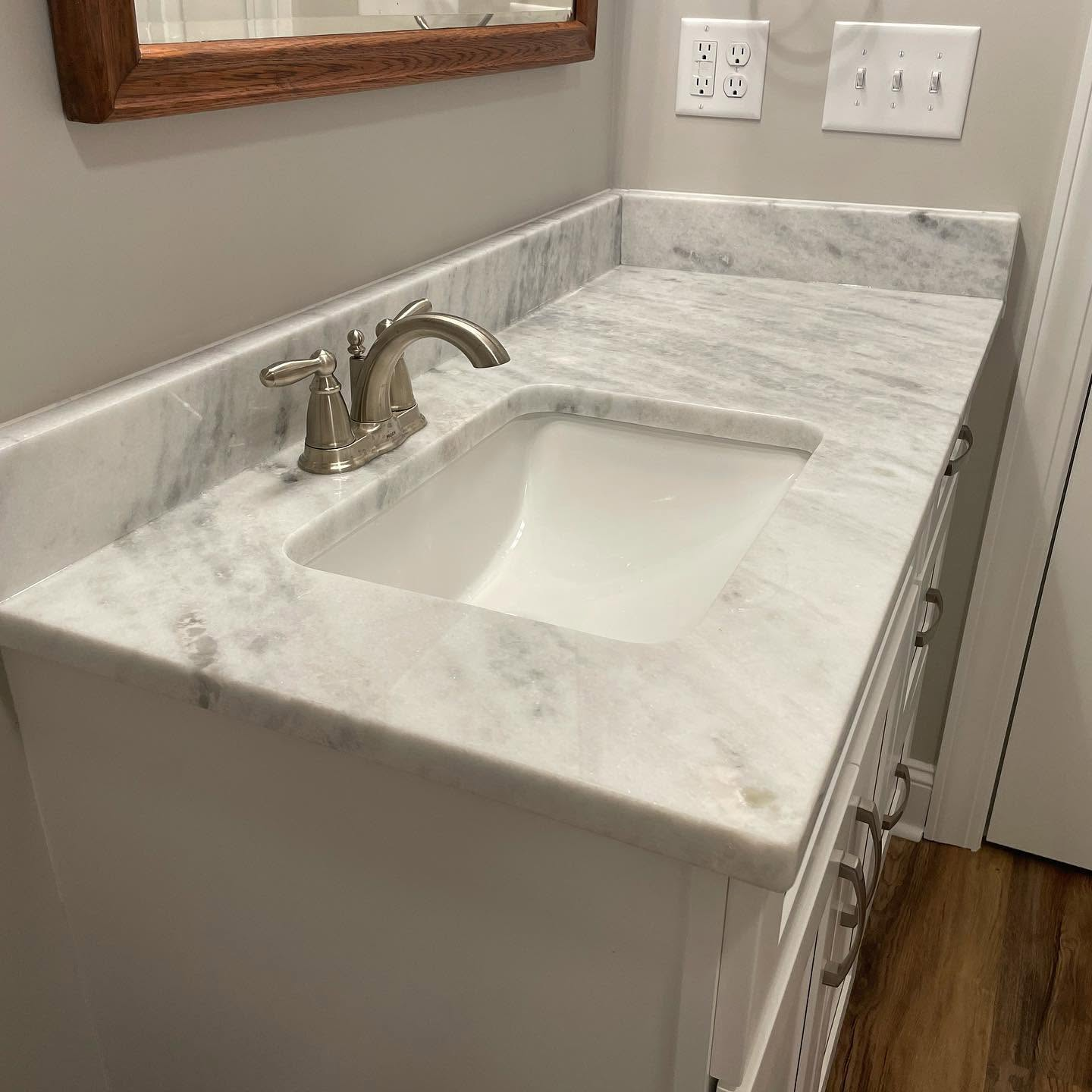
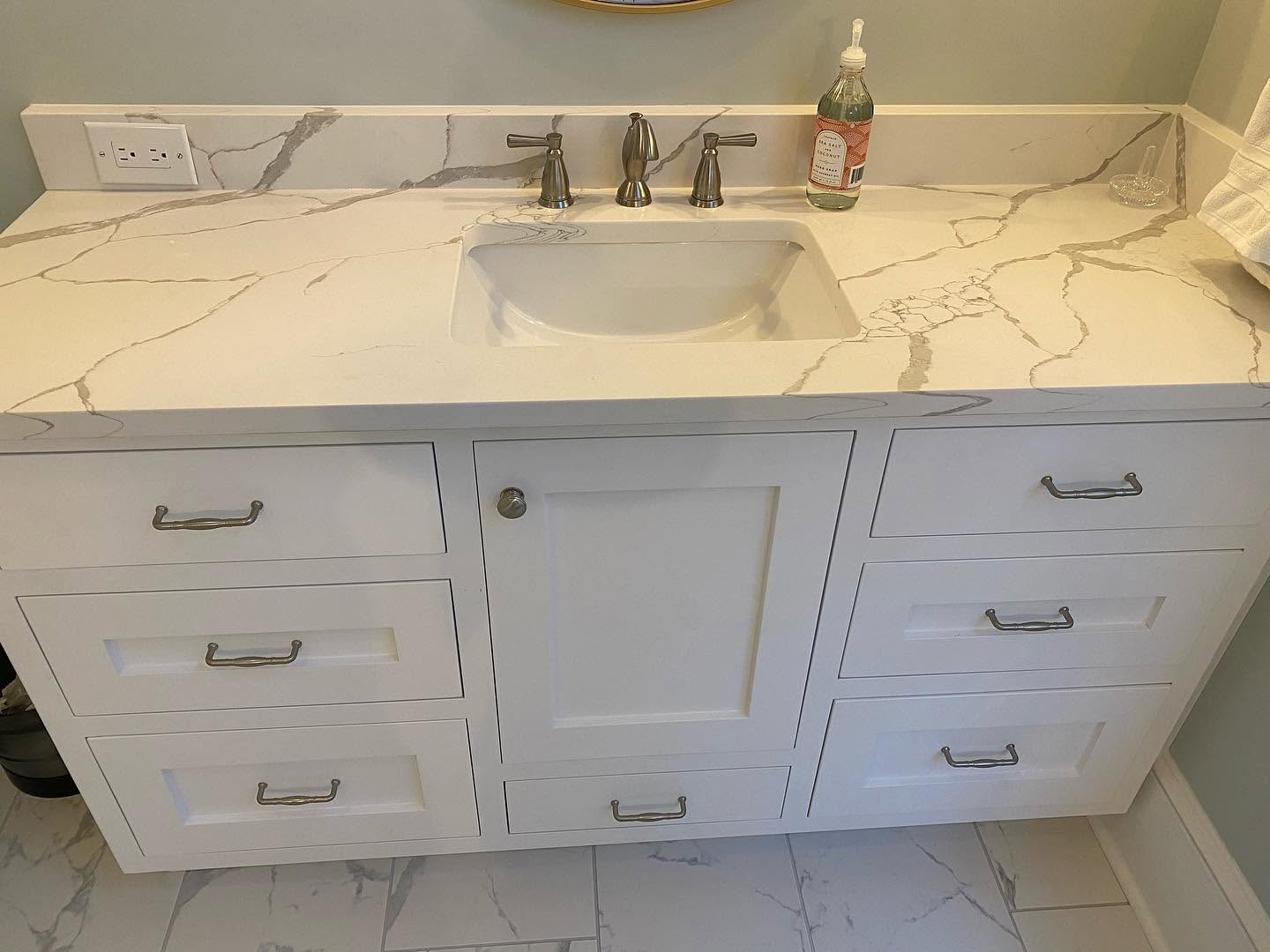
What Careful Fabrication Delivers With Natural Stone
Quartzite requires cutting equipment and fabrication expertise suited to its hardness, with seam placement planned around the stone's natural veining so transitions appear intentional rather than disruptive. The team evaluates each slab's movement—the direction and intensity of veining—and orients cuts so patterns flow logically across the countertop length, particularly important in book-matched installations where two slabs mirror each other at an island centerline.
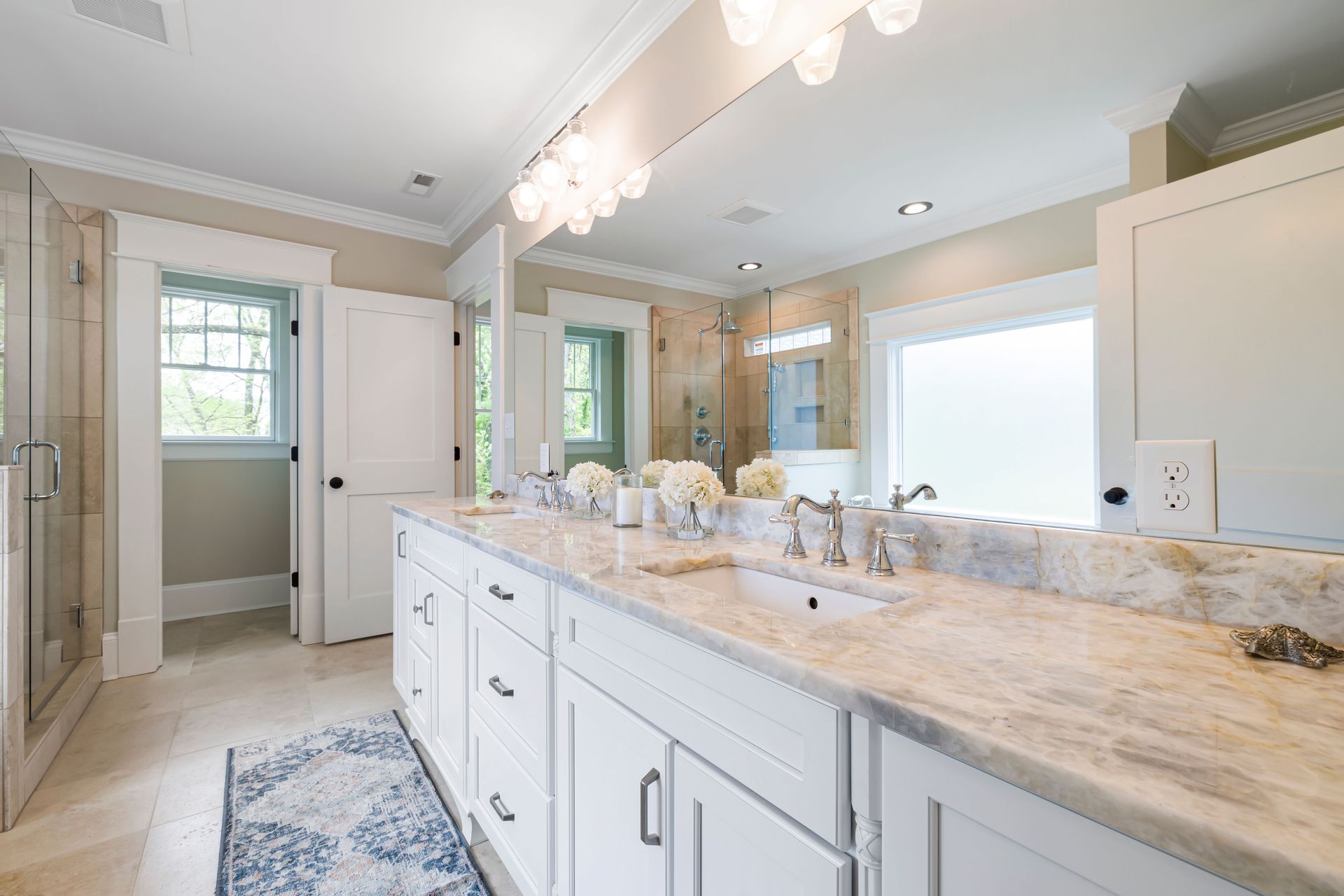
Once installed, you notice how the stone's depth creates subtle color shifts depending on overhead lighting versus natural sunlight, how veining draws the eye toward specific areas like the range or sink, and how the surface texture feels slightly different from the uniform smoothness of quartz. Edges finished to a polished bevel or ogee profile reveal the stone's crystalline structure, and the weight of the material registers as noticeably heavier than engineered alternatives when leaning against the counter.
Coordination with cabinetry, backsplash tile, sink finish, and lighting matters more with quartzite than with uniform materials because the stone's natural variation can either complement or clash with surrounding finishes. Backsplash choices should account for whether the quartzite veining is busy or subtle, cabinet colors need to support rather than compete with the stone's tones, and sink materials—stainless, composite, or fireclay—should be selected with the stone's visual weight in mind.
Frequently Asked Quartzite Questions
Customers considering quartzite for kitchen or bathroom projects in Greenville typically ask about selection, performance, and maintenance expectations.
What should I look for when selecting a quartzite slab?
Examine the full slab for vein consistency, check for fissures or pits that might affect durability, and visualize how the stone's movement will look across your countertop length—natural characteristics vary widely between pieces.
How does quartzite compare to marble for durability?
Quartzite resists scratching, etching, and heat damage far better than marble due to its harder crystalline structure, making it suitable for kitchen countertops where marble would show wear from acidic foods and hot cookware.
When does sealing become necessary?
Most quartzite benefits from sealing every one to two years to prevent staining from oils and liquids, though some denser varieties resist absorption better than others—the stone's porosity determines the sealing schedule.
Why does quartzite cost more than granite?
Quartzite's hardness requires specialized cutting tools and more fabrication time, the material itself is less common than granite, and the visual drama of high-quality slabs commands premium pricing compared to standard granite options.
What edge profiles work best with quartzite?
Polished edges showcase the stone's crystalline structure and veining, while thicker profiles like dupont or ogee add visual weight that suits the material's natural presence—simpler edges let the stone's pattern dominate.
Coastal Cabinets And Granite LLC fabricates and installs quartzite countertops with attention to slab orientation, seam placement, and design coordination. Book a consultation to explore quartzite slabs and discuss whether the material fits your project goals and daily kitchen use.