
Surfaces That Gain Character Over Time
Soapstone Countertops in Greenville for kitchens prioritizing natural material with evolving appearance
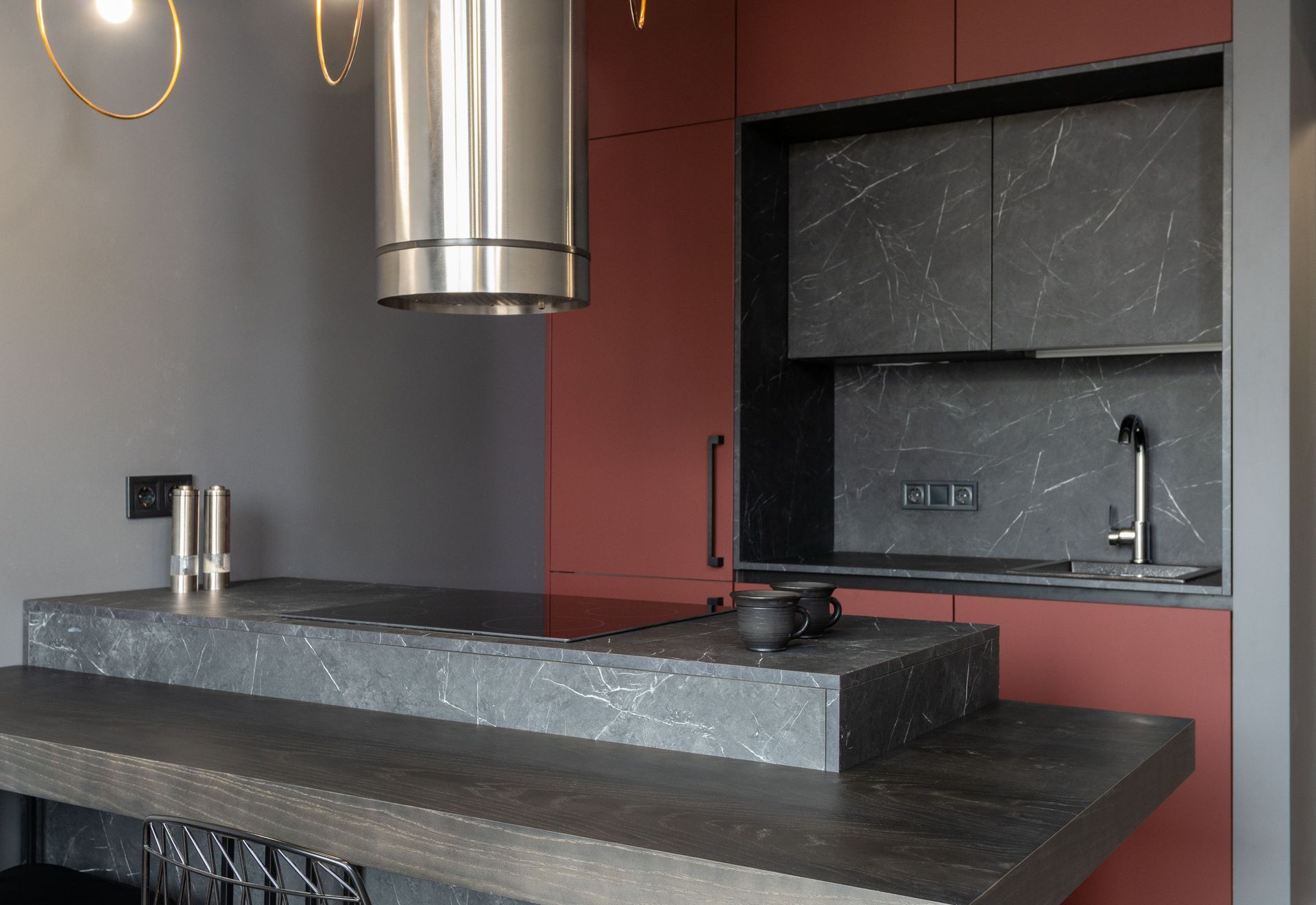
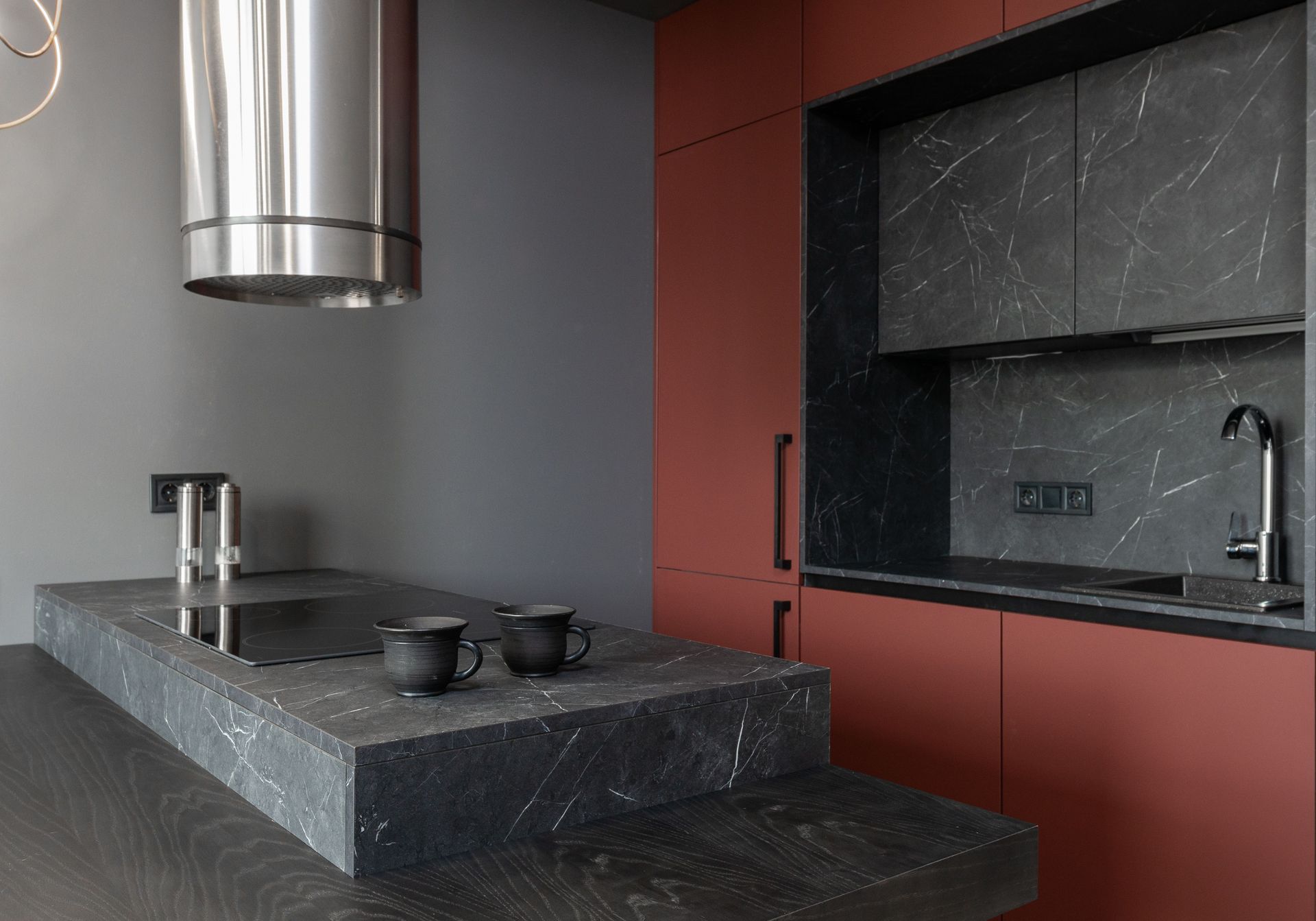
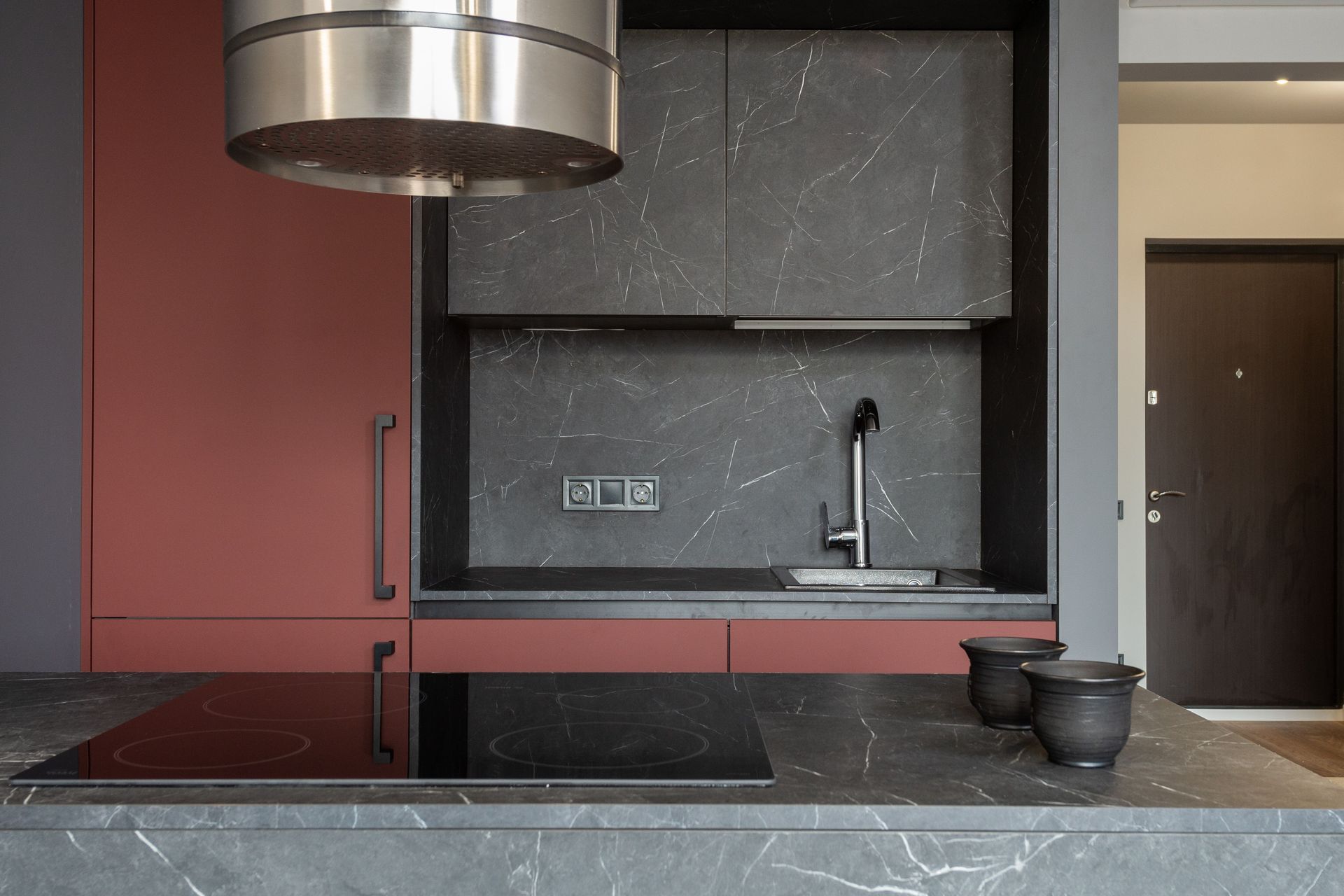
Soapstone countertops installed by Coastal Cabinets And Granite LLC in Greenville provide a natural stone alternative with a smooth, matte surface that darkens gradually as oils from daily use interact with the stone. Homeowners looking for countertops that develop a distinctive patina rather than maintain a uniform polished finish often choose this material for traditional, transitional, or character-driven kitchen designs. Unlike granite or quartzite, soapstone's appearance shifts visibly over months and years, creating a lived-in quality that many property owners find appealing.
The fabrication process begins with slab selection, where variations in veining, tone, and natural markings become part of the material identity. Because soapstone is softer than most countertop stones, it requires specific handling during cutting, edge profiling, and sink cutouts to prevent chipping or surface damage during installation. Coastal Cabinets And Granite LLC fabricates soapstone in-house, allowing direct control over layout decisions and ensuring seams align with the stone's natural grain patterns.
Schedule a consultation to compare soapstone samples with granite and quartzite options for your kitchen project.
What Soapstone Delivers as a Countertop Material
Soapstone countertops are fabricated from dense metamorphic stone composed primarily of talc, which gives the material its characteristic smooth feel and natural resistance to heat and moisture. The stone does not require sealing because it is non-porous, meaning spills sit on the surface rather than penetrating into the material. Minor scratches or scuffs that occur during everyday use can be addressed by lightly sanding the affected area and applying mineral oil to restore visual consistency.
After installation, you will notice the stone's matte finish and lighter gray tones. Over weeks and months, the surface darkens as natural oils from cooking, handling, and mineral oil treatments deepen the color, creating a richer charcoal hue that varies slightly across different areas of the countertop. This patina development is not a defect but an intended characteristic of soapstone, and the rate of darkening depends on how frequently the surface is used and oiled.
Soapstone works well in kitchens where cabinetry, hardware, and lighting are chosen to complement evolving stone tones. The material pairs naturally with painted or stained wood cabinets, farmhouse sinks, and understated tile backsplashes. Homeowners who prefer countertops that remain visually static or highly reflective should evaluate granite or quartzite instead, as soapstone's appeal lies in its gradual transformation rather than its initial appearance.
Questions Homeowners Ask About Soapstone Countertops
Homeowners in Greenville often have specific questions about soapstone's performance, maintenance, and long-term appearance before committing to the material.
How does soapstone compare to granite in terms of durability?
Soapstone is softer than granite, which means it can scratch more easily under daily use, but those scratches blend into the surface and can be sanded out. Granite resists scratching better but requires periodic sealing to prevent staining, while soapstone does not absorb liquids and needs no sealant.
What causes the stone to darken over time?
Soapstone naturally oxidizes when exposed to air and oils, which deepens its color from light gray to charcoal. You can speed up this process by applying mineral oil, or you can let it darken gradually through regular kitchen use.
How is soapstone fabricated and installed?
Slabs are cut to template dimensions using diamond-blade saws, edges are profiled to the selected style, and cutouts are made for sinks and faucets. The fabricated pieces are then transported to your home, set onto cabinetry, and secured with adhesive, with seams joined and finished to minimize visibility.
What happens if the countertop gets scratched or stained?
Light scratches can be smoothed with fine-grit sandpaper and re-oiled to match the surrounding surface. Soapstone does not stain because it is non-porous, so spills like wine, coffee, or oil sit on top and wipe away without leaving marks.
When should I apply mineral oil to the surface?
Applying mineral oil when the countertop is first installed helps establish an even base tone. After that, you can oil the surface monthly, quarterly, or only when lighter areas appear, depending on how quickly you want the patina to develop and how uniform you prefer the color.
Coastal Cabinets And Granite LLC fabricates soapstone countertops in-house and provides material samples during consultations so you can evaluate color, texture, and veining before selecting slabs. Visit the showroom to compare soapstone with other natural stone options for your Greenville kitchen.